Vital Gastronomy helps educators build programmes that develop understanding and adaptability alongside craft, so students can move beyond the recipes they know and respond to the realities in front of them.
Students get questions their training never covered: a new protein in procurement, a guest whose dietary needs break the substitution rules, an institution asking why food costs dropped but satisfaction did too. Skill without understanding hits its limit the moment context shifts. Vital Gastronomy does not replace what you teach. It gives it a spine: why ingredients behave as they do, what a technique adds or destroys, how culinary decisions connect to outcomes beyond the plate. Graduates leave with a framework they keep applying long after the programme ends.
Click each to learn more.
These four ideas belong to a wider framework. Read it in full →
The Vital Gastronomy curriculum is built to fit into what you already teach, not to replace it. The depth scales with the format; the framework underneath does not change.
Theory is taught when it makes an observable difference to what students do next. Value Appraisal works as an assessment tool, not a theory box students tick. And the institution itself becomes a living laboratory: what the kitchen buys, how it prepares, what it serves and to whom. All of it is curriculum material, not separate from it.
We cannot prepare tomorrow's food leaders with yesterday's curriculum.
| Format | Duration | For |
|---|---|---|
| Intensive module | 5 days | A department or team |
| Short programme | 5 weeks | A single course |
| Semester integration | 5 months | An existing programme |
| Full qualification pathway | 2–3 years | A whole institution |
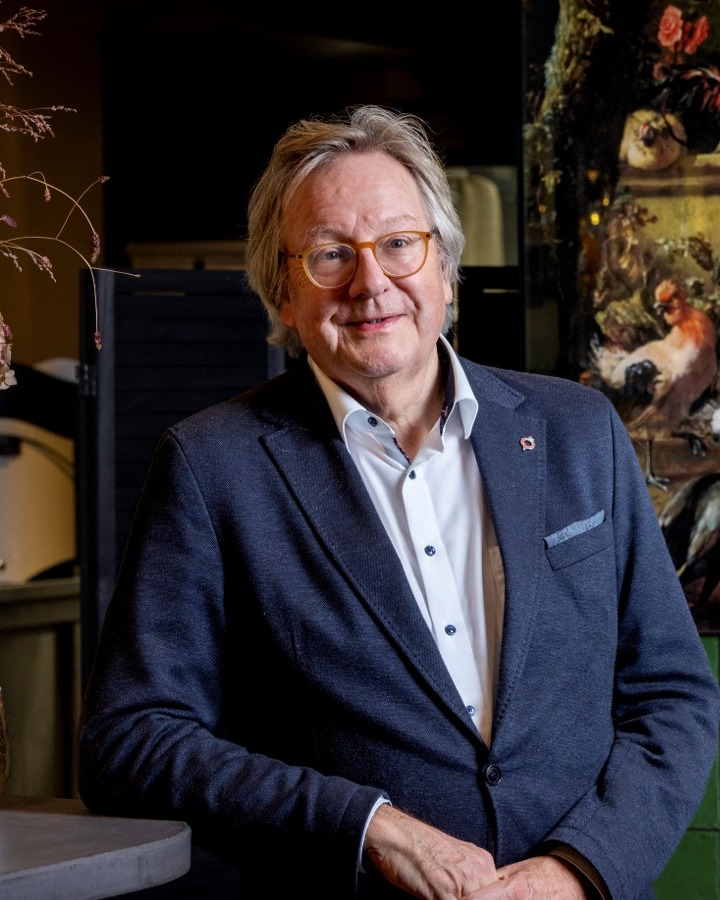
A biologist by training, José took the Basque Culinary Center Master in Gastronomic Sciences (2016–2018), where Peter Klosse was among his lecturers. He is now back at BCC himself, teaching the Master in Food Fermentation. He also publishes his fermentation work as @fermentedfreelance on YouTube and Instagram.
“Gastronomy and fermentation are an excellent way to share science.” Interview · Gastronomía360, Basque Culinary Center · 2025
What you teach this year is remembered. What you teach them to reason from stays for thirty.
We work with educators and institutions on curriculum redesign, module integration, faculty development, and pilot programmes. Whether you are starting with a single elective or rethinking a full qualification pathway, tell us where you are starting from.
“Vital Gastronomy is one of the important ideas for the future of food.”