The work, on record.
Case studies, endorsements, publications, and media coverage.
Based in the Netherlands. Working globally.
Nina SlagmolenEvidence in practice
Where the framework has been applied. New cases added as work develops.

Food is infrastructure, not decoration.
This is the claim Vital Gastronomy makes at every layer of its framework. Ingredients carry inherent value. Supply chains either preserve it or destroy it. The decisions made in kitchens, classrooms and procurement meetings cascade outward into landscapes, livelihoods, and entire communities. Rural regions do not fail because of geography or bad luck. They fail when food choices have been drained out of them: the farms, the craft knowledge, the biodiversity, the economic circulation that comes from feeding people well and locally.
Pollica is what happens when that logic is applied in practice for five years. Not a partnership we are claiming credit for. A demonstration that the framework holds, told by the person who built it on the ground.
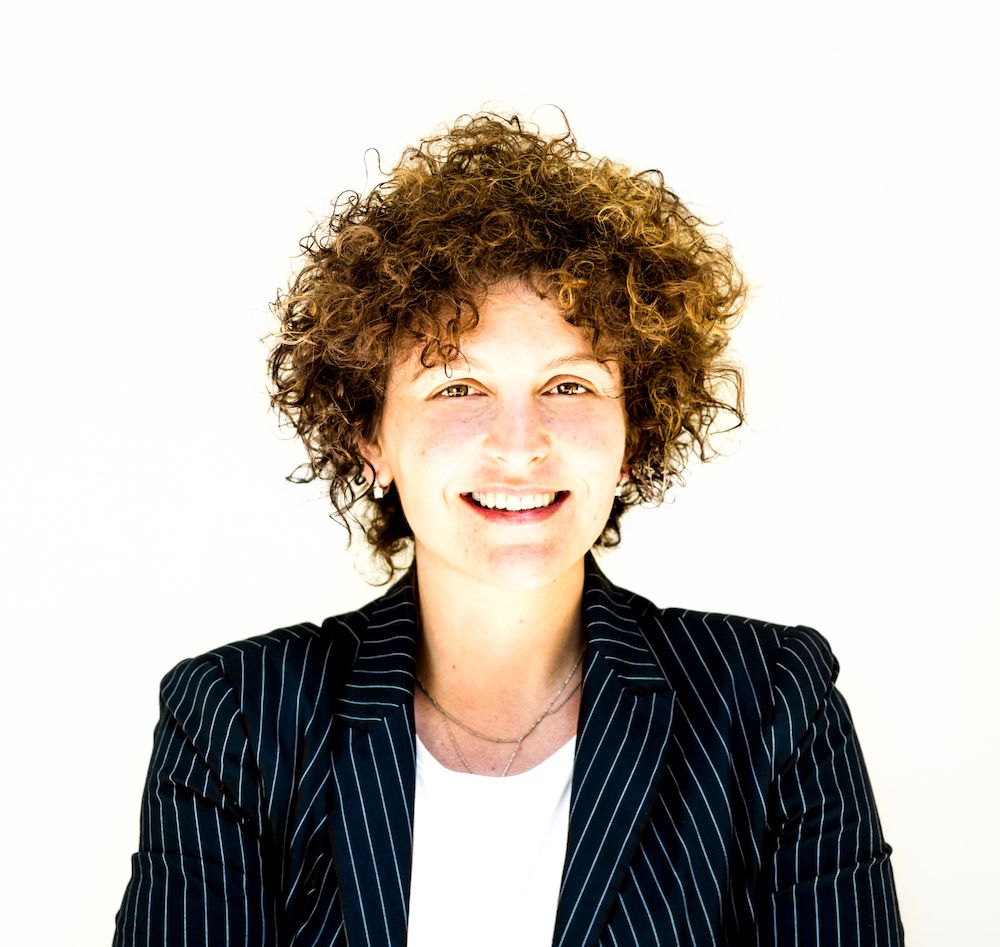
"When we launched the Paideia Campus in Pollica in 2020, we were making a bet that most people thought was counterintuitive: that a small, marginal village in the south of Italy, one that had been losing population, losing farms, losing economic viability for decades, could become a living laboratory for the future of food. Five years later, Pollica trains over a thousand young people a year, has been recognized with the Costa Carras European Citizens Award for safeguarding endangered heritage, and is being used as a model for rural regeneration on three continents. The bet paid off. But it only paid off because food was understood as infrastructure rather than decoration."
Across Dublin, London, Paris, and Zürich, workplace menus were redesigned using the Culinary Success Factors framework: the flavour-science groundwork that Vital Gastronomy builds on. Participation rates, satisfaction scores, and meal quality assessments all improved over the six weeks.
The finding that matters for any food service director: institutional food can change measurably without increasing cost per meal. Quality is a design question before it is a budget question.
The connection continues in the Institute's network: Michiel Bakker, who led Google's food program and global workplace services, backs the framework today as President of The Culinary Institute of America. Read his endorsement below.
Keer Diabetes2 Om is Voeding Leeft's lifestyle programme for reversing type 2 diabetes through food. Its first pilot ran at De Echoput, the restaurant where the Klosse family's gastronomic practice was built. Participants reversed dietary patterns with meals that were gastronomically excellent.
That is the framework's central claim demonstrated in healthcare: when the design is right, health outcomes and pleasure are the same goal. A diet that people enjoy is a diet they sustain.
Endorsements, in full
Full texts from peers and partners who back the Institute's direction.
Food regenerates more than you think.
“Food is infrastructure, not decoration. Rural regions are not failing because of geography or bad luck. They are failing because food choices have been drained out of them. The investment logic is straightforward once you see it. Food that respects biodiversity, supports regenerative agriculture, and keeps money circulating in a region costs more at the point of purchase. It saves enormously on costs that never appear on the same balance sheet.
“Jan Kees has demonstrated what this looks like in practice through the bootcamp programs he developed for the Future Food Institute, recognized with a prize for the impact of those programs, and equipping culinary professionals to lead this kind of change in their own territories.
“The Institute for Vital Gastronomy and the Future Food Institute share a conviction: food is not a consumer product to be optimized for cheapness, but a system to be designed for vitality. I am proud to stand behind this work.”
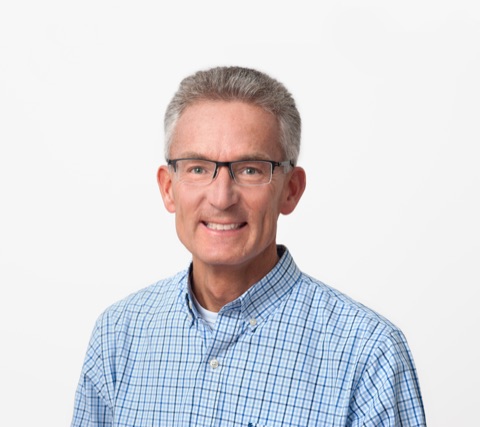
Having worked closely with Peter and Jan Kees Klosse on the evolution and refinement of the concept of Vital Gastronomy over the past 15 months, I am proud to support the work they are now advancing through the Vital Gastronomy Institute.
During that time, I have contributed to the thinking, challenged and refined aspects of the framework with them, and increasingly come to see Vital Gastronomy as one of the important ideas for the future of food.
What makes this work so valuable is its ability to bring together dimensions that are too often treated separately: flavor, health, sustainability, culture, craft, science, and the joy of eating. Vital Gastronomy recognizes that food choices only create real impact when they are not only responsible, but also delicious, meaningful, and deeply connected to human experience.
I fully embrace this work and continue to iterate on many of these ideas in my role at the Culinary Institute of America as we shape our own Vision 2035. For us, the future of culinary, food, beverage, and hospitality education must be broader, more integrated, and more deeply connected to the major challenges and opportunities facing the world of food.
Peter and Jan Kees have been a thoughtful and persistent voice in this space. Their work helps give structure, language, and practical direction to a more responsible and more compelling future for gastronomy.
I am proud to support Peter, Jan Kees and the Vital Gastronomy Institute as this work continues to develop.
In conversation, on stage, on air
A decade of talks, podcasts, and interviews on flavour and food-system change.
Research, papers, and books
The featured paper, working papers in preparation, and earlier publications and books.
Vital Gastronomy: Foundations for Conscious Leadership and Education
This article introduces Vital Gastronomy as a conceptual framework that positions gastronomy (understood as the science of flavor and tasting) as the methodological foundation for a new approach to food professional education. It develops two operational dimensions: Conscious Culinary Leadership and Knowledge-Based Culinary Craftsmanship. Together these form the basis for principled culinary decision-making, with implications for curriculum design, institutional food policy, and professional development across scales.

Press release, full brand kit, long-form founder bios, and high-resolution photography are available on request. For press enquiries, speaking requests, or background briefings: get in touch.
Once you see how value moves through food, you cannot unsee it.
The record above is the work in motion. To engage with the Institute, start with partnership or contact.