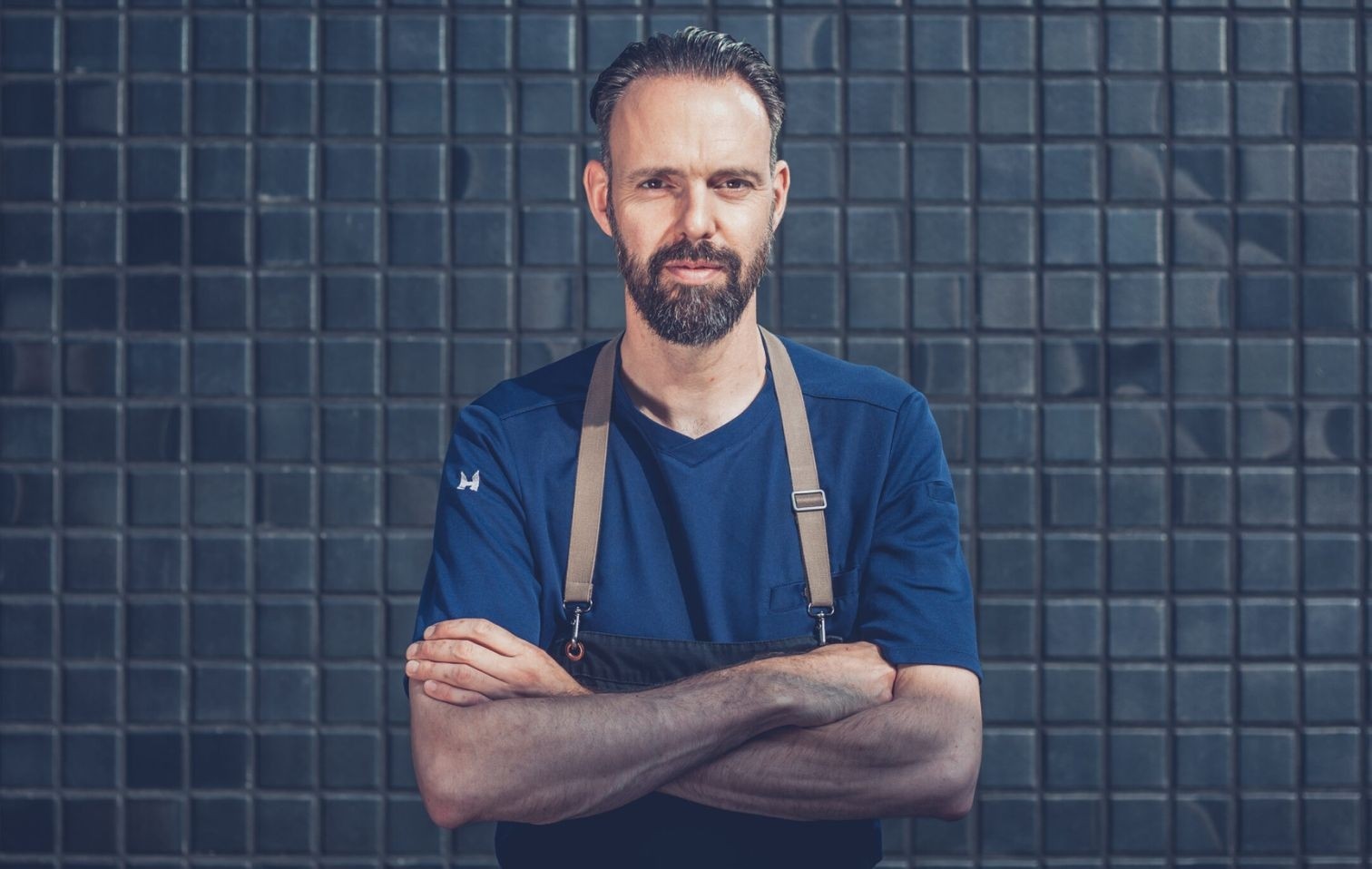
"Thirteen years ago we cooked recipes. Now we make recipes."
Vital Gastronomy helps kitchen professionals move beyond replication by understanding how context, ingredient quality, guest needs, and technique shape what good cooking can become.
The recipe got you started. The job asks something else: an ingredient softer than expected, a guest with new needs, a supplier who switched, a cost that broke the original choice. The strongest kitchen professionals reason from what is in front of them. Vital Gastronomy gives you the framework: why ingredients behave as they do, what a technique preserves or destroys, what reaches the guest.
Click each to learn more.
These four ideas belong to a wider framework. Read it in full →
Watch one ingredient as you scroll. The faint outline is the best it could be. You see what handling keeps, what craft develops, and where the value leaks.
Fish, meat, vegetable. The logic is the same.
Illustrative, not a measurement. Same ingredient, careful hands: almost none of this leaks.
Illustrative, not a measurement. Same ingredient, careful hands: almost none of this leaks.
Most kitchens optimise for what is visible on the plate. Vital Gastronomy asks what the plate is hiding.
"Our role as chefs isn't just about working with what's available now, but also about planting seeds, both literally and metaphorically, for the future."
 Michelin
 Green Star
Voedselbos Ketelbroek
Since 2014
Green Star
Voedselbos Ketelbroek
Since 2014
In Vital Gastronomy, sourcing, craft, and research work as one system. This is what that looks like in a kitchen.
Three things most kitchens keep separate work here as one. Click each to open.
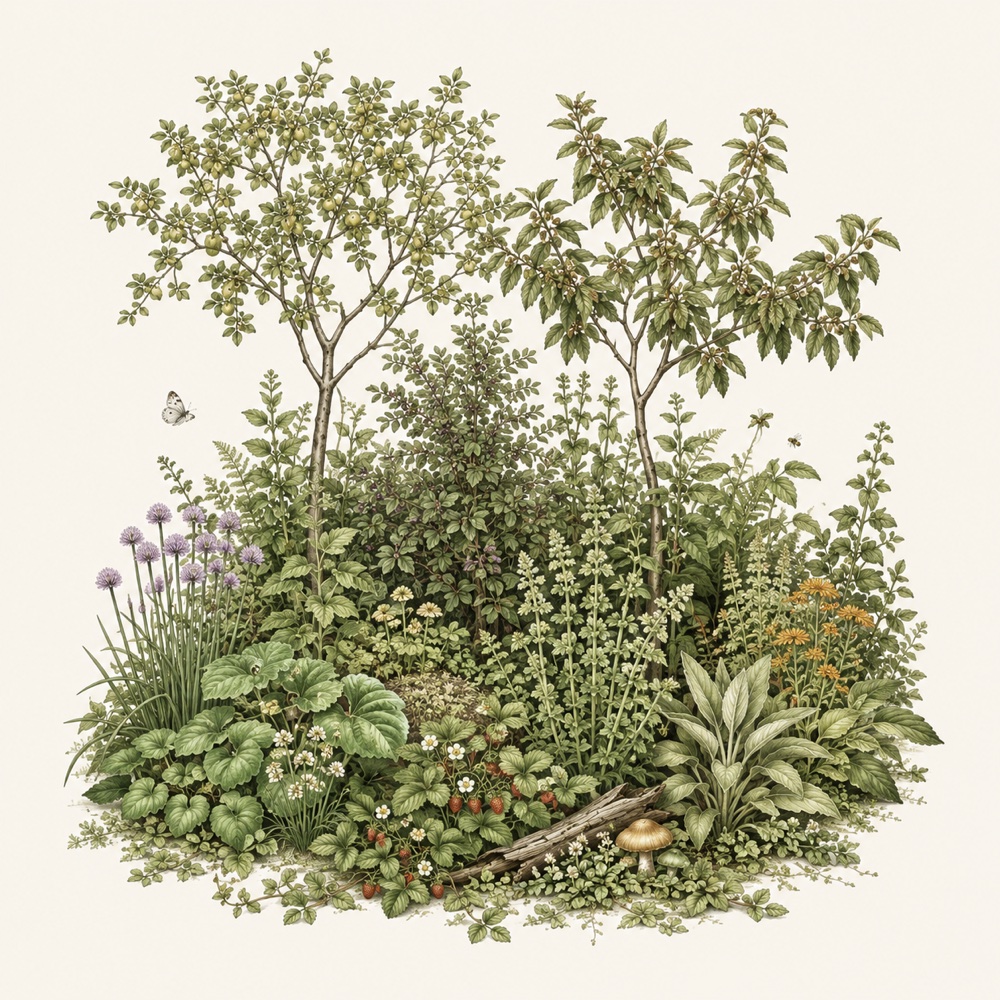
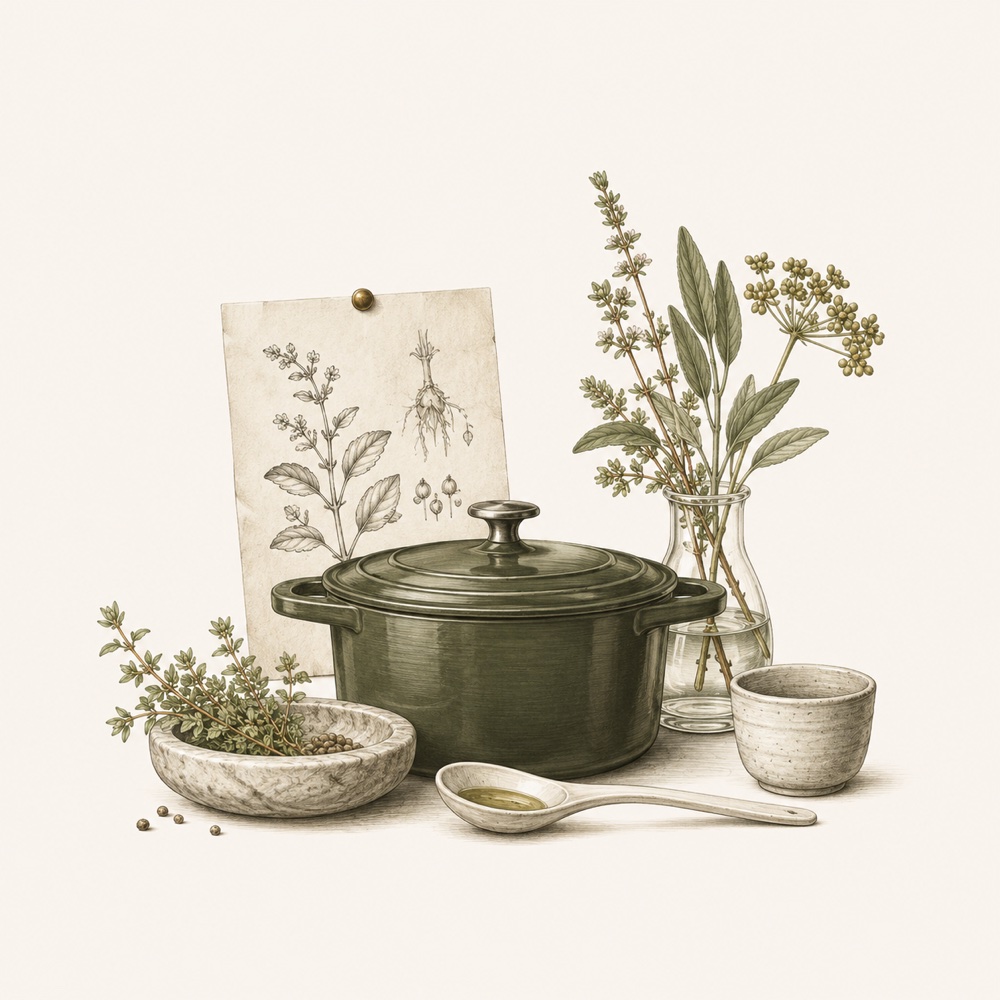

What the forest grows partly decides what the kitchen plates.
What the kitchen plates partly decides what the research asks.
What the research learns partly decides what the forest plants next.
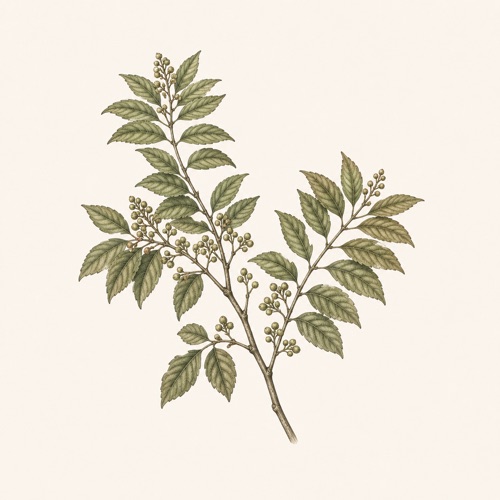
Step 1 · Where it starts
A tree (Toona sinensis) the food forest planted years ago. Most kitchens would never see it: too obscure to source, too irregular to scale. Here it enters the supply because the kitchen helped plant it.
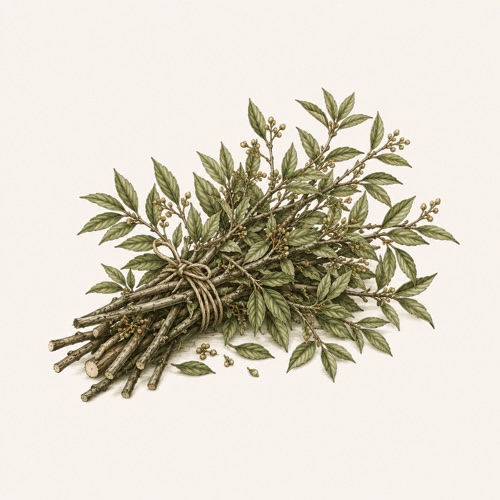
Step 2 · What most kitchens never see
The branches come off every year and usually go to compost or wood waste. Vital Gastronomy asks instead: what inherent value does this material carry? The answer depends on technique.

Step 3 · First-principles method
The kitchen runs research like a lab. Six months of testing isolated the technique: a sustained low-heat extraction that releases the wood's aromatic compounds. KBCC at full register.
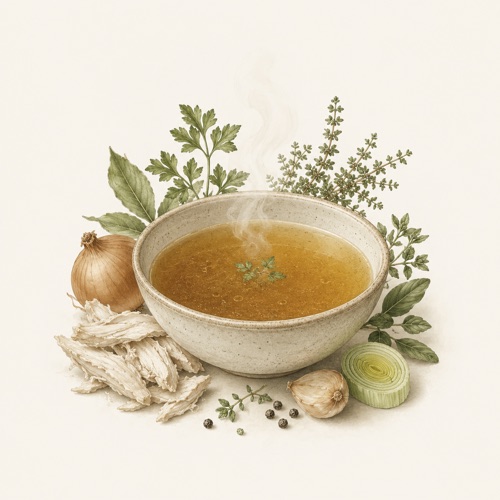
Step 4 · Value appraised
A poultry-stock flavor signature, from pruning waste: the material's own inherent value, made legible by technique. Cost at purchase: near zero. Cost to the landscape and the animal world: zero. Value Appraisal in action.
This is Vital Gastronomy in practice: knowing what every technique does to the value in front of you (KBCC), and recognising that value across the whole system you cook from (CCL). The framework gives it a vocabulary.
Cooking from a system you helped grow.
Emile van der Staak
We work with chefs and kitchen teams on ingredient strategy, substitution, menu development, and better decisions under real constraints, when the recipe no longer fits. Tell us what you are working on.

“Vital Gastronomy is one of the important ideas for the future of food.”
