Worked example
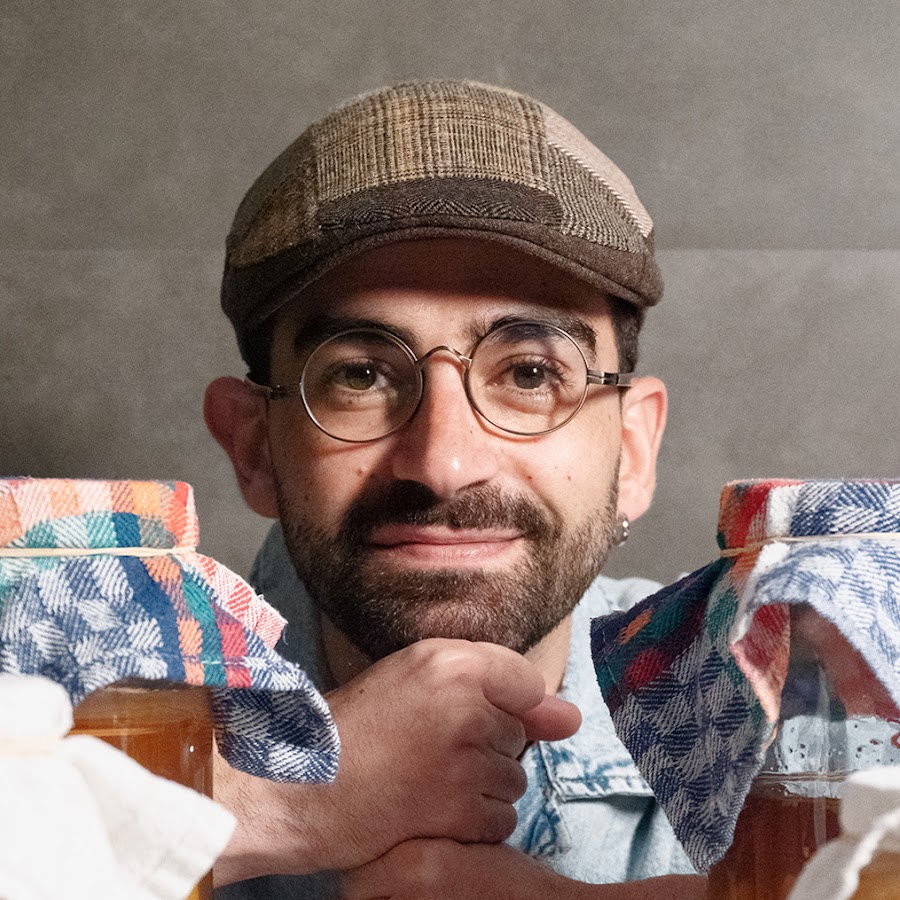
A biologist running a one-room R&D lab for restaurants, brands, and a YouTube following
Open full profile
Education
Biologist (Andalusia) · Master in Gastronomic Sciences, Basque Culinary Center (2016–2018)
Teaching
Basque Culinary Center · Universidad de Cádiz · DUOC Chile · IED Madrid · Hotel Management School Madrid
Recognition
TEDx Reggio Emilia (2019) · Published, UOU Scientific Journal (2022) · Eroski–Basque Culinary Center Onenak Award (2022) · BCC 100 Young Talents (2024)
Earlier role
Head of Food Alchemist Lab, Future Food Institute, Bologna
Clients
El Celler de Can Roca · Grupo Peralada · WellDone Burger · Andalusian food producers
Public reach
Tens of thousands of followers as @fermentedfreelance on YouTube and Instagram
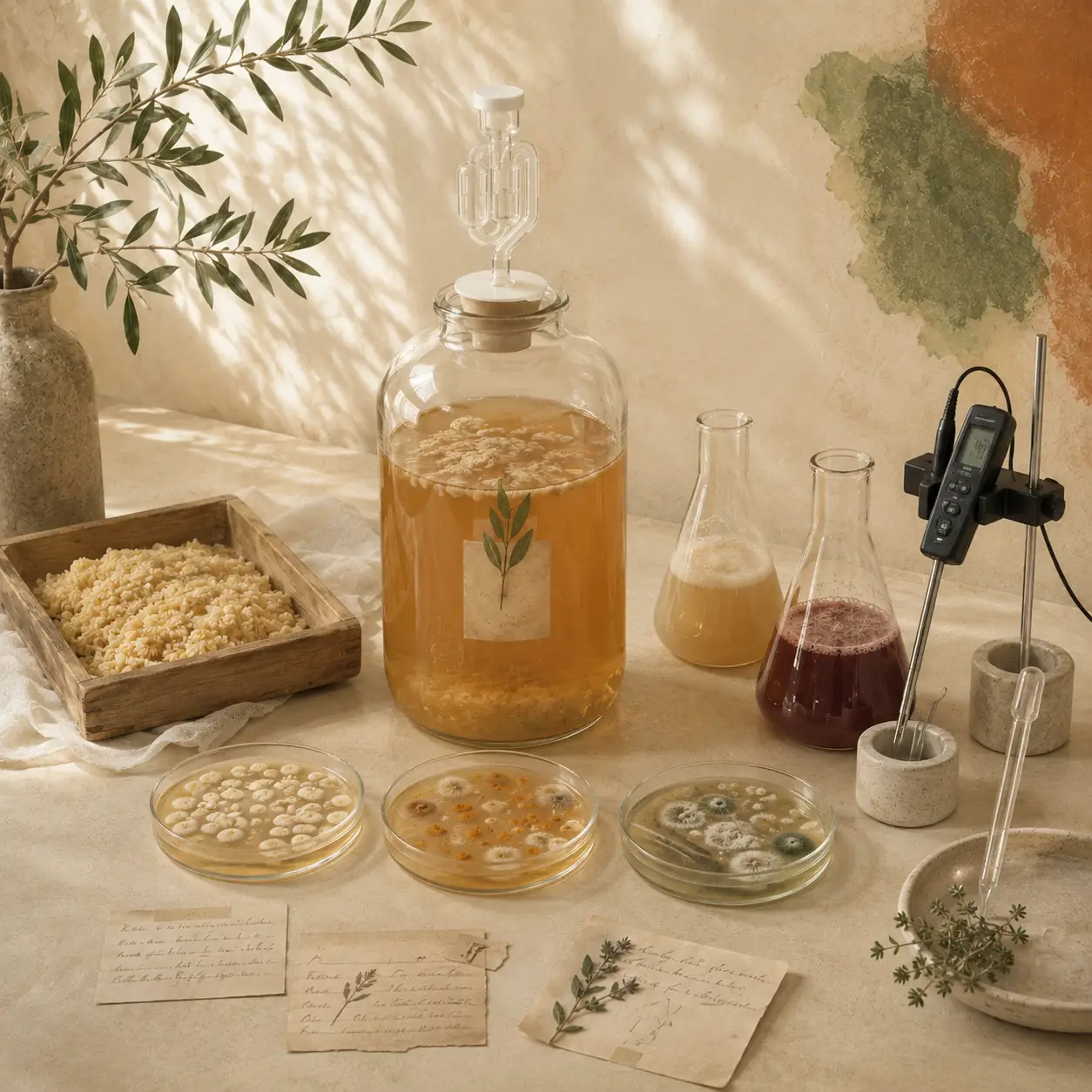
“Fermentation, like architecture, relies on the design of semi-isolated environments that facilitate certain kinds of life.” José de la Rosa Morón · UOU Scientific Journal · 2022
The process · expand each stage
How a one-person R&D lab does what large innovation teams often cannot
01 Read inherent value +
Forgotten and surplus raw materials examined for what they could become. Wild herbs from the Sierra de Aracena, native honeys, carob pods, dried figs, restaurant by-products. Before any technique is chosen, the ingredient is read: what compounds are already present, what could be unlocked, what direction would amplify the existing value instead of masking it.
02 A one-room lab that builds anything +
Each project lands on his bench with a client question and ends in a glass jar. Acorn miso. Kombucha programmes. Vegan chorizo. Koji on local pulses. Native fermentations on Andalusian fruits and grains. What a corporate R&D department might spend a year scoping, Fermented Freelance prototypes in weeks, often with a single ingredient and a clear question from the client.
03 From client briefs to public reach +
Work that began in restaurant R&D now reaches further. Lectures at five institutions across Europe and Latin America (Basque Culinary Center, Universidad de Cádiz, DUOC Chile, IED Madrid, Hotel Management School Madrid). Through @fermentedfreelance on YouTube and Instagram he has become a fermentation voice with a public audience in the tens of thousands.