Food decisions shape
what comes next.
The science of gastronomy, applied to decisions that sustain people, communities, and the planet.
Dr. Peter Klosse and the Institute for Vital Gastronomy are nominated for Project of the Year at the We’re Smart Future Awards 2026. Winners are announced 25 October 2026 in Bruges. Read the nomination →

Based in the Netherlands. Working globally.
Nina SlagmolenThe Institute for Vital Gastronomy equips chefs, educators, and food leaders to see what every food choice preserves, amplifies, or compromises. Grounded in the science of flavor, the framework reads health, ecology, and culture together. Pleasure is the non-negotiable standard.

"Vital Gastronomy is one of the important ideas for the future of food."
Conceptual and empirical foundations of Vital Gastronomy: framework definitions, measurement, and outputs from applied pilots across kitchens, institutions, and education.
Structured learning programmes, from five-day intensives to multi-year tracks, integrated into existing curricula at vocational, professional, or postgraduate level.
Applied pilots with institutions (hospitals, workplace dining, culinary schools, food organisations), building the evidence base for what changes when the framework is put to work.
Food professionals are trained to execute. Very few have been given the tools to decide.
Chefs learn to reproduce recipes. Food scientists optimise molecules. Institutional buyers get budgets and rules. Each does real work within real limits. None received a shared language for what a decision does to the ingredient, to the person eating, to the system behind the supply chain. Food systems measure what is easy to count: yield, shelf life, price per kilo. Whether food nourishes, what it took from the land, what it carries culturally: those need a different kind of attention. The Institute builds the tools to make it visible.
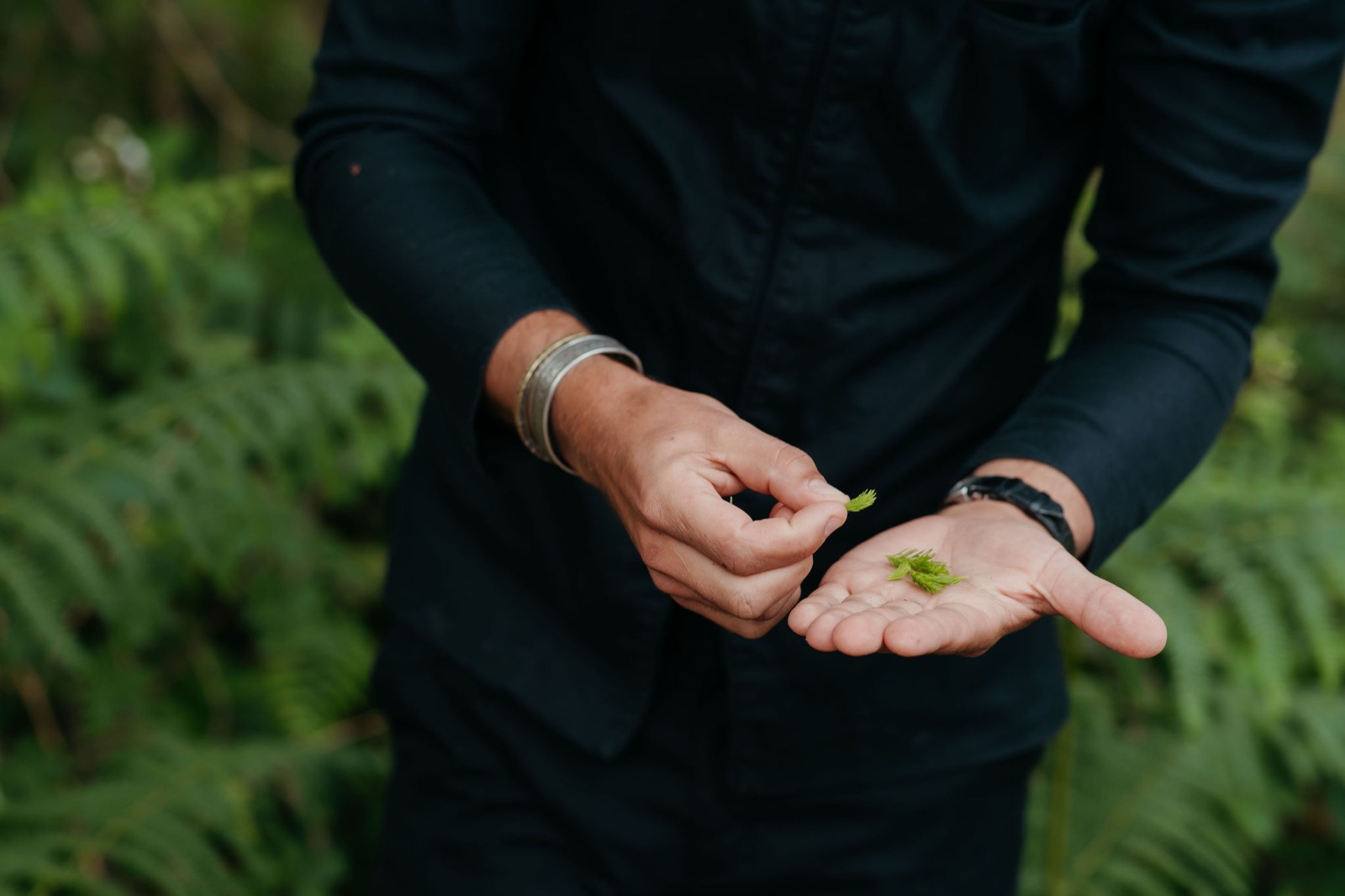
Four elements (Vitality, Gastronomy, CCL, KBCC) connected into one frame for reading what food decisions preserve, amplify, or erode.
Who we are
The Institute is built on two bodies of work: Dr. Peter Klosse's three decades of research into flavour science, the science of tasting, and gastronomic quality, and Jan Kees Klosse's work in systems thinking, educational design, and applied curriculum development across food and sustainability contexts.
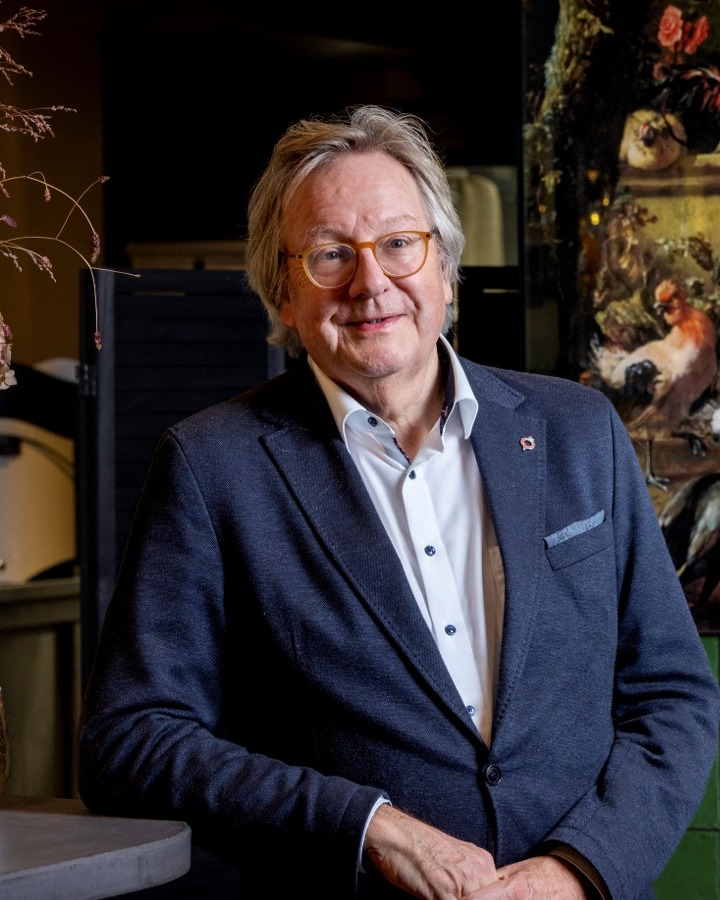
Dr. Peter Klosse is one of the world's leading researchers in flavor science. He earned his PhD in health sciences at Maastricht University (2004) and developed the T.A.S.T.E. methodology (The Academy for Scientific Taste Evaluation) that established flavor as an objectively assessable product quality. His book The Essence of Gastronomy: Understanding the Flavor of Foods and Beverages (CRC Press, 2013) is in active use across academic and professional settings worldwide.
Read full bio →Show less ↑
He has held visiting professorships at the Basque Culinary Center in San Sebastián and lectureships at Stenden University Leeuwarden, Hotel Management School Maastricht, and Wageningen University. He founded the Academy for Gastronomy in 1991, home of the Netherlands' sommelier qualification. Vital Gastronomy is the next stage of that work: from understanding flavor as a quality marker, to deploying it as a decision tool across the food chain. Earlier in his career he transformed De Echoput, the Michelin-starred restaurant his parents founded in 1955, into Hotel Gastronomique De Echoput.
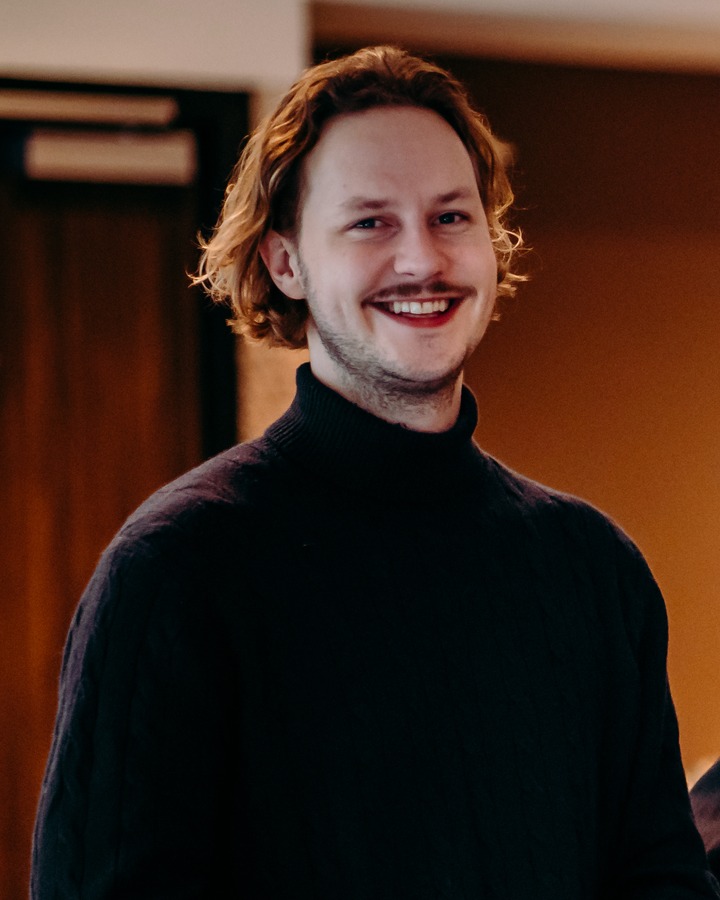
Jan Kees Klosse studied Technology, Policy and Management at TU Delft, building a foundation in systems thinking now applied to food, education, and sustainability. As Programme Developer at the Future Food Institute (since 2019), he co-developed the Climate Shapers Bootcamp for the FAO, with participants from more than 80 countries, awarded best digital study abroad programme. At the Institute he leads the translation of the framework into curricula, learning systems, and professional education.
Read full bio →Show less ↑
His work draws on design thinking and Bauhaus-influenced educational methodology: the conviction that analytical thinking should not be described but practised, forming habits through application rather than instruction. At the Institute he designs the curriculum spine that connects flavor science (KBCC), procurement and leadership decisions (CCL), and the Value Appraisal practice that runs through both.

What ecosystem regeneration through food looks like, five years in.
A village that had been losing population, farms and economic viability for decades. Today: 1,000+ young people trained a year, a European citizens’ award, and a model studied on three continents. Told by Sara Roversi, who built it.
Read the case →“What makes this work so valuable is its ability to bring together dimensions that are too often treated separately: flavor, health, sustainability, culture, craft, science, and the joy of eating.”
“The bet paid off. But it only paid off because food was understood as infrastructure rather than decoration.”
Practitioners, researchers, and institutions that have shaped this work alongside us.
Among them: Carlos Monteiro (NOVA), Emile van der Staak (De Nieuwe Winkel), Gerda Verburg (former UN Coordinator, Scaling Up Nutrition), Juan Carlos Arboleya (Basque Culinary Centre), Sara Roversi (Future Food Institute), Dr. Robert Graham (FRESH Medicine).
Future Food Institute, Basque Culinary Centre, Wageningen University, EIT Food, Maastricht University, Google Food Lab, Voeding Leeft, FAO · Climate Shapers Bootcamp, Teaching Kitchen Collaborative.
Engage with the Institute
The framework is documented, research is active, and applied pilots are underway. We work with knowledge partners who validate the framework, institutional partners who pilot it, and industry partners who translate it into products, menus, and food environments. We welcome enquiries from funders supporting the next phase: publication, curriculum infrastructure, and the first certified programme.
A structured curriculum for food professionals at every level
The Vital Gastronomy framework is structured into learning programmes that meet food professionals where they are: from kitchen teams to institutional food leadership, from vocational training to postgraduate education. The same principles, applied at different levels of depth and context.
The work builds on three decades of research and applied programmes: the T.A.S.T.E. methodology developed at Maastricht University, the Essence of Gastronomy publication adopted in academic and professional settings worldwide, and the Climate Shapers Bootcamp co-developed with the Future Food Institute and the FAO (participants from more than 80 countries, awarded best digital study abroad programme). Delivered to vocational schools, culinary academies, food-service organisations, and in-house training programmes.
From a five-day intensive to a multi-year programme.
The curriculum is modular by design. Whether your organisation needs a focused introduction, a semester-long integration, or a full professional qualification pathway, the framework scales. We develop the programme around your context, your professionals, and your goals.
Universities, research groups, and independent experts who want to contribute to the research and validation of the framework through academic collaboration and shared publication.
Hospitals, schools, care organisations, workplace dining environments, and public food settings that want to pilot the framework and contribute operational evidence for what changes in practice.
Food companies, hospitality groups, and product development teams who want to apply Vital Gastronomy to products, menus, and food environments, and document what changes as a result.
The framework exists. What funding does is make it available.
The research is documented. Working papers are in preparation for peer review. First pilots are active. What this stage requires is not more development. It is the infrastructure to bring what exists into use: published, evaluated, and teachable.
Early financial support enables peer-reviewed publication, curriculum materials for the first certified programme, evaluation infrastructure across live pilots, and the institutional capacity to carry this work forward at the pace it deserves.
Publication. Peer-reviewed articles and working papers that establish the framework in academic literature and make it citable for partners and curriculum developers.
Curriculum materials. The teaching instruments, assessment tools, and reference documentation for the first accredited professional qualification pathway.
Pilot evaluation. Systematic measurement of what changes when kitchens, classrooms, and institutions apply the framework: the evidence base for wider adoption.
Institutional capacity. The operational infrastructure (coordination, communication, programme delivery) to make the Institute function as an institution.
Published, in review, and in conversation.
The first peer-reviewed Vital Gastronomy paper is in preparation for submission in 2026: Vital Gastronomy: Foundations for Conscious Leadership and Education (Klosse & Klosse). It introduces the framework's two operational dimensions and the value-appraisal practice that runs through both. The work also draws on three decades of applied research, from the T.A.S.T.E. methodology developed at Maastricht University to the Essence of Gastronomy (CRC Press, 2013).
Peer-reviewed papers, working papers, applied pilots (Google Food Lab), and academic contributions.
See all publications →Includes IFT FIRST 2025 keynote, Menus of Change, EIT Food, La Cucina Italiana, and Dutch broadcast. Selected from a longer record.
See media history →Get in touch
We welcome enquiries from funders, strategic partners, research collaborators, media, and anyone who wants to understand or support the development of this field.
Tell us who you are and what you are working on. We will respond directly.
Once you see how value moves through food, you cannot unsee it.
Institute for Vital Gastronomy · Amsterdam